 100s of Reviews
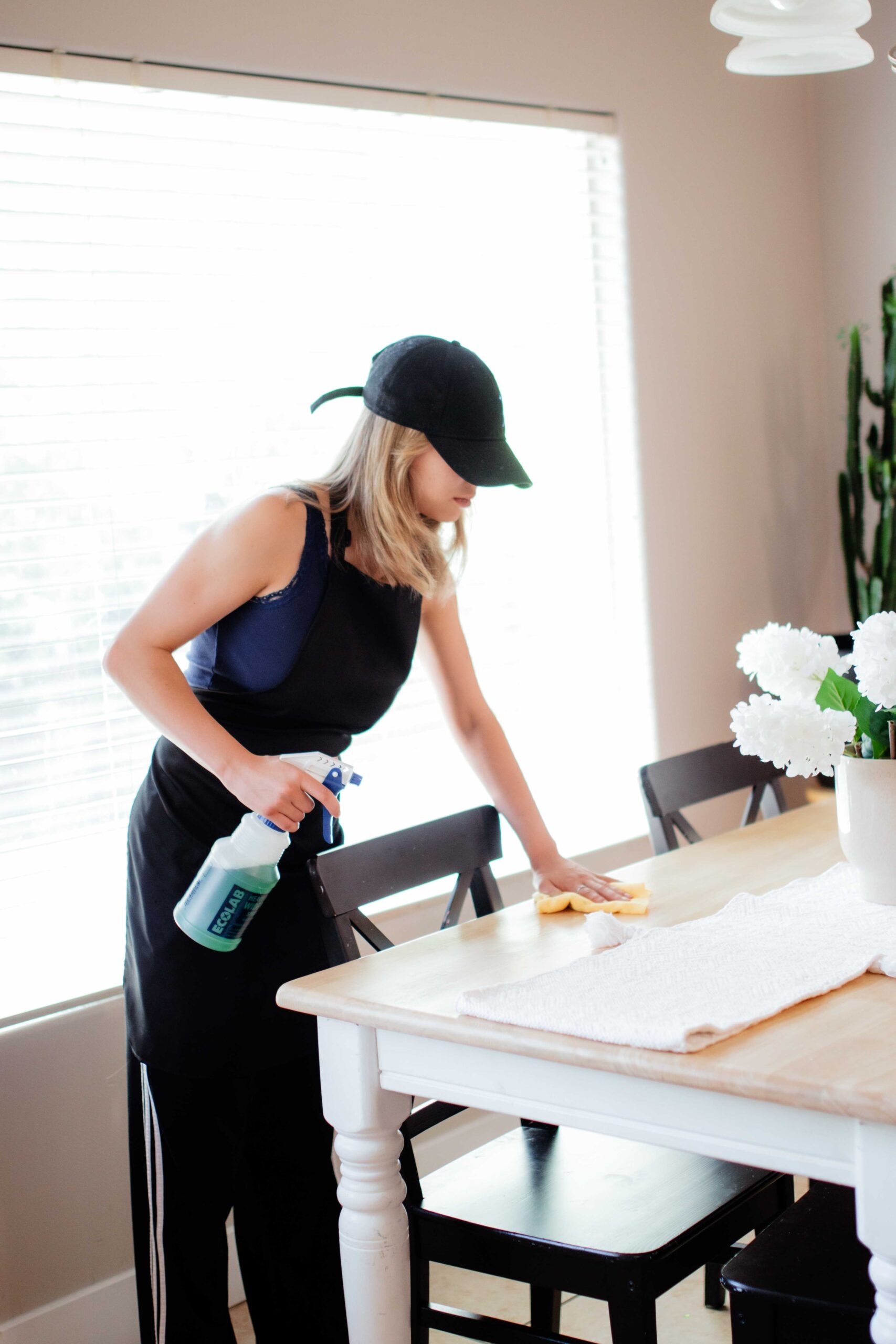
A deep cleaning can make a home feel reset. Dust is removed from overlooked areas, bathrooms feel fresher, kitchen buildup is reduced, and living spaces look more orderly. The challenge is keeping that clean feeling from fading too quickly once normal routines return. Shoes come in, meals are prepared, laundry piles up, pets shed, and high-touch surfaces collect new residue every day.
The best approach is not to treat deep cleaning as a one-time finish line. It should become the starting point for smarter maintenance. With a practical routine, the home stays easier to manage between professional visits. Thoughtful house cleaning also helps protect surfaces, reduce buildup, and keep rooms more comfortable without letting mess take over again.
Set A Simple Maintenance Rhythm
After deep cleaning, the home is easier to maintain because the heavy buildup has already been addressed. This is the right time to create a realistic rhythm for daily and weekly upkeep. The goal is consistency, not perfection.
- Reset kitchens after meals so grease, crumbs, and spills do not settle.
- Wipe bathroom counters and sinks before residue hardens.
- Vacuum or sweep high-traffic floors before dust spreads into other rooms.
- Return items to their places before clutter becomes harder to sort.
A manageable routine keeps the home from sliding backward. It also makes future professional cleaning more effective because the team can focus on detail work instead of catching up on preventable buildup.
Control The Dirt That Enters The Home
Many homes feel dirty again quickly because debris enters from several sources. Shoes, pets, open windows, air vents, groceries, packages, and daily movement all bring in dust, soil, hair, and small particles. Even clean-looking rooms can collect buildup faster than expected when entry points and traffic patterns are not considered.
This is why understanding fast dirt buildup is helpful after a deep cleaning. The issue is rarely that the home was not cleaned well. More often, the household needs a stronger system for managing repeat sources.
Focus attention on entryways, mudrooms, hallways, kitchens, and family rooms. These spaces usually collect the most activity and spread dirt into quieter areas. When high-use zones are maintained regularly, the rest of the home tends to stay cleaner longer.
Protect High-Touch And Hidden Areas
A home can look neat while still holding residue in the places people touch most often. Handles, switches, remotes, railings, faucet levers, appliance fronts, chair backs, and cabinet pulls can collect germs, fingerprints, and oils quickly. These areas are easy to miss because they are small, but they affect how clean the home feels.
- Clean door handles, light switches, and faucet controls on a regular schedule.
- Pay attention to appliance handles, trash lids, and cabinet fronts.
- Refresh bathroom touchpoints more often than decorative surfaces.
- Include stair rails, remotes, and shared devices in the routine.
Professional deep cleaning often brings these areas back to a better baseline. Regular attention keeps them from becoming hidden problem spots between visits. This is especially important in homes with children, guests, pets, or busy family routines.
Keep Bathrooms And Kitchens From Rebuilding Grime
Bathrooms and kitchens usually lose their freshly cleaned look first. They combine moisture, food residue, soap, oils, heat, and frequent contact. If these rooms are ignored for too long after deep cleaning, buildup can return around sinks, tubs, toilets, grout, stovetops, countertops, and appliance edges.
Small actions help, but professional support remains valuable because these rooms require consistent detail. Kitchens may need degreasing around cooking areas, while bathrooms often need careful attention to moisture-prone surfaces. When stains, residue, and odors return quickly, it may be a sign that the home needs a more structured cleaning schedule.
A guide to germ hotspots is useful because the most important areas are not always the most visible. After deep cleaning, those overlooked points should become part of the maintenance plan.
Plan For Long-Term Cleanliness
Keeping a home clean after deep cleaning is easier when the next steps are planned. Residential cleaning, deep cleaning, move-in cleaning, move-out cleaning, one-time cleaning, light commercial cleaning, janitorial cleaning, Airbnb cleaning, and Vrbo cleaning all serve different needs, but they share one purpose: helping spaces stay healthier, fresher, and more manageable.
- Schedule regular cleaning based on household size, pets, traffic, and lifestyle.
- Use one-time cleaning before hosting, seasonal changes, or busy periods.
- Choose deep cleaning when buildup returns in corners, fixtures, or detailed areas.
- Consider move-in or move-out cleaning when transitions require a higher standard.
Deep cleaning gives the home a strong reset, but long-term results come from consistency. When daily habits and professional care work together, the home stays cleaner, surfaces last longer, and the household feels easier to enjoy.
Keep That Freshly Clean Feeling Longer
For reliable house cleaning, deep cleaning, one-time service, move-in or move-out cleaning, and regular upkeep that helps your home stay fresh, organized, and easier to maintain after a deep clean, contact Protek Cleaning for professional support tailored to your space.