 100s of Reviews
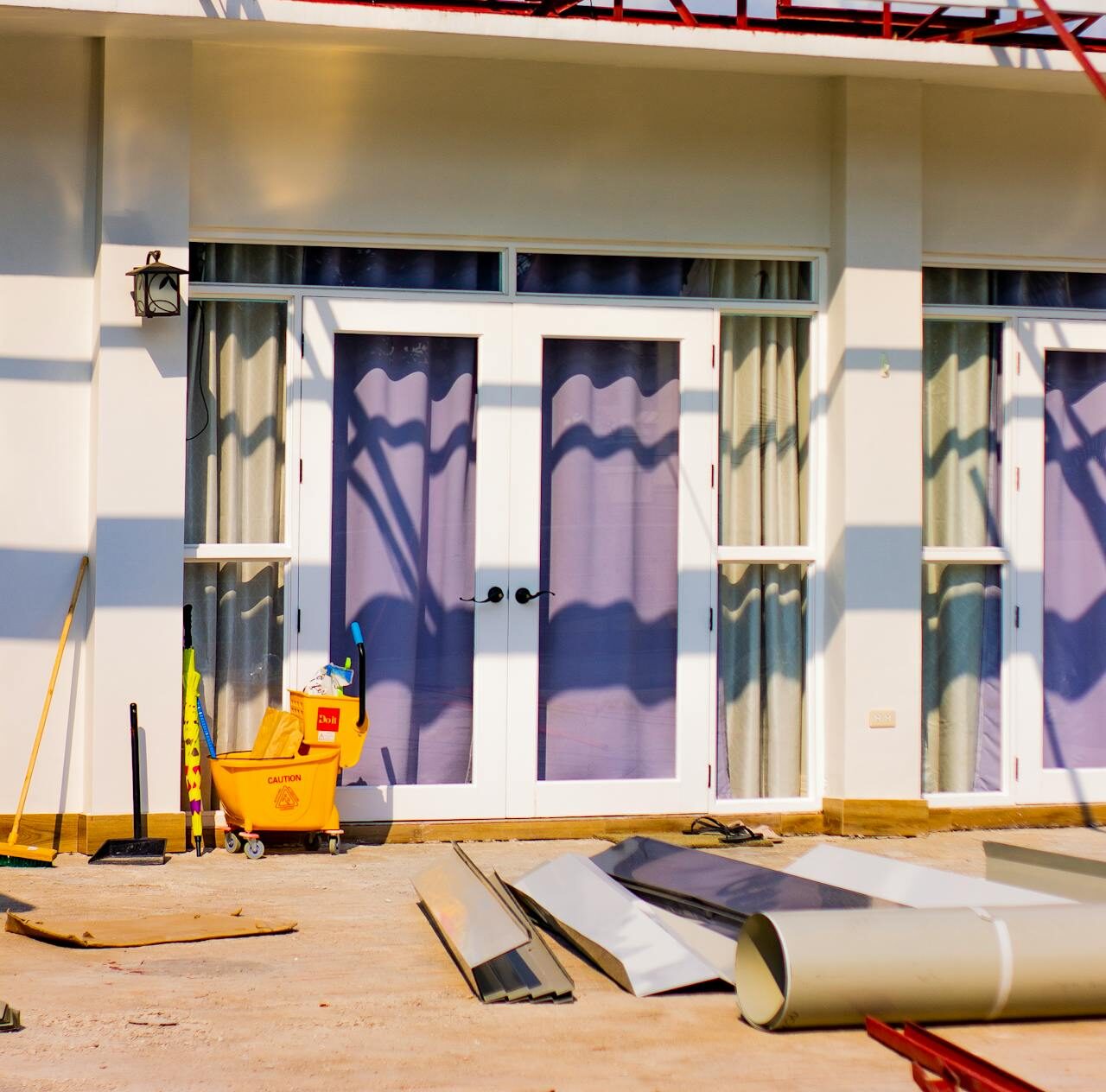
A renovation can change the way a home or commercial space feels, but the work is not truly complete when the tools leave. Dust, adhesive residue, fine debris, smudged glass, and leftover materials can remain on surfaces long after the final fixture is installed. These details affect comfort, appearance, and indoor cleanliness, especially when the space is expected to be used right away.
Post-construction cleanups help bridge the gap between finished construction and a space that feels genuinely ready. From an expert cleaning perspective, the goal is not only appearance. It is to remove hidden buildup, protect surfaces, support healthier indoor conditions, and prepare the property for daily use, move-in plans, one-time resets, or ongoing cleaning needs.
Start With Debris, Dust, And Surface Assessment
The first step after renovation is understanding what type of debris and residue the project created. Drywall dust behaves differently from sawdust, grout haze, paint splatter, or adhesive residue. Each surface also needs a different level of care, especially around cabinets, flooring, countertops, fixtures, windows, and trim.
- Remove leftover materials, packaging, and loose construction debris first
- Identify fine dust on walls, vents, shelves, and horizontal surfaces
- Check flooring edges, corners, and baseboards for trapped residue
- Look for paint spots, adhesive marks, and cloudy glass
- Review high-traffic paths where dust may have been tracked repeatedly
This early assessment helps prevent rushed cleaning that only moves dust from one surface to another. Post-renovation dust often settles repeatedly, so a structured process matters. Professional cleaners evaluate the room in layers, moving from debris removal to detailed dust control, then to surface-specific cleaning and final touch-ups.
Address Hidden Dust Before It Spreads Again
Construction dust is one of the most frustrating parts of renovation cleanup because it travels easily. It can settle inside cabinets, vents, closets, window tracks, light fixtures, and appliance gaps. Even after floors look clean, fine particles may continue appearing when air systems run or doors open.
- Dust from top to bottom so particles do not resettle on finished areas
- Clean vents, ledges, fan blades, and upper shelves before floors
- Wipe cabinet interiors before storing household items
- Vacuum edges, corners, and crevices with detailed attention
- Finish with floor cleaning after overhead dust has been removed
This step is especially important for move-in cleaning, deep cleaning, and one-time cleaning after a remodel. A home may appear finished, yet still feel gritty if fine dust remains in hidden areas. The same issue can affect offices, storefronts, and light commercial spaces where clients, employees, or tenants expect a clean environment.
For a closer look at why particles linger after renovation, this guide on construction dust explains how fine debris spreads and why detailed cleaning matters.
Give Kitchens, Bathrooms, And Fixtures Extra Care
Kitchens and bathrooms often need the most detailed post-construction attention because they combine moisture, hardware, cabinetry, tile, glass, and high-touch surfaces. Renovation dust can cling to grout, settle inside drawers, collect around faucets, and leave counters feeling rough. New fixtures may also hold fingerprints, labels, film, or installation residue.
Cleaning these rooms properly supports both appearance and function. Cabinets should feel ready for dishes, pantry items, linens, and personal products. Sinks, counters, appliance fronts, mirrors, shower glass, and tile should be cleaned with methods suited to the material. Rushed work may leave streaks, haze, or residue behind, especially on stone, stainless steel, glass, and polished surfaces.
Bathrooms also deserve close attention because dust and moisture can form a stubborn film on fixtures and floors. A careful cleaning process helps the renovated space feel fresh, sanitary, and ready for regular use instead of merely construction-free.
Prepare The Space For Daily Use Or Occupancy
After major dust and room-specific cleaning are complete, the focus shifts to making the property usable. This is where post-construction cleanup connects with move-in cleaning, move-out cleaning, residential cleaning, commercial cleaning, janitorial cleaning, and light commercial cleaning. Each space has a different purpose, so the final cleaning should match how it will be occupied.
- Sanitize high-touch areas such as switches, handles, counters, and railings
- Clean windows, mirrors, and glass doors for a polished finish
- Mop hard floors after detailed vacuuming to remove fine particles
- Refresh entryways where dust and debris were tracked inside
- Inspect the space again after the dust has had time to settle
For businesses, this final stage helps create a cleaner first impression for staff, clients, and visitors. For homes, it makes unpacking, arranging furniture, and settling in more comfortable. Property owners reviewing service options may also find value in understanding what to consider when selecting commercial cleaning support for larger or shared spaces.
Professional cleaning brings consistency to this stage because trained cleaners move through a property systematically. That reduces missed areas and helps the renovation feel complete from the first day of use.
Step Into A Cleaner Finished Space
A renovation should end with a space that feels polished, healthy, and ready, not one covered in lingering dust and residue. Thorough post-construction cleanup helps protect the work already completed while making the property more comfortable for everyday living or business use. For detailed post-renovation cleaning support, contact Protek Cleaning.