 100s of Reviews

A clean environment supports better health, higher productivity, and an overall sense of comfort in both living and working spaces. As more households and businesses look for ways to improve indoor quality without relying on harsh chemicals, eco-friendly cleaning has become an essential part of modern maintenance. These methods prioritize safety, sustainability, and long-term wellness while still delivering strong cleaning performance.
Unlike conventional cleaning approaches that rely heavily on strong synthetic compounds, eco-friendly cleaning focuses on minimizing chemical residues, reducing environmental impact, and creating healthier air quality. This is especially important in settings where people spend long hours indoors, such as offices, medical facilities, educational spaces, and homes with pets or young children.
A thoughtful approach combines safer cleaning formulations with expert-level techniques, ensuring that surfaces are disinfected, allergens are reduced, and indoor environments stay fresh without unnecessary exposure to irritants.
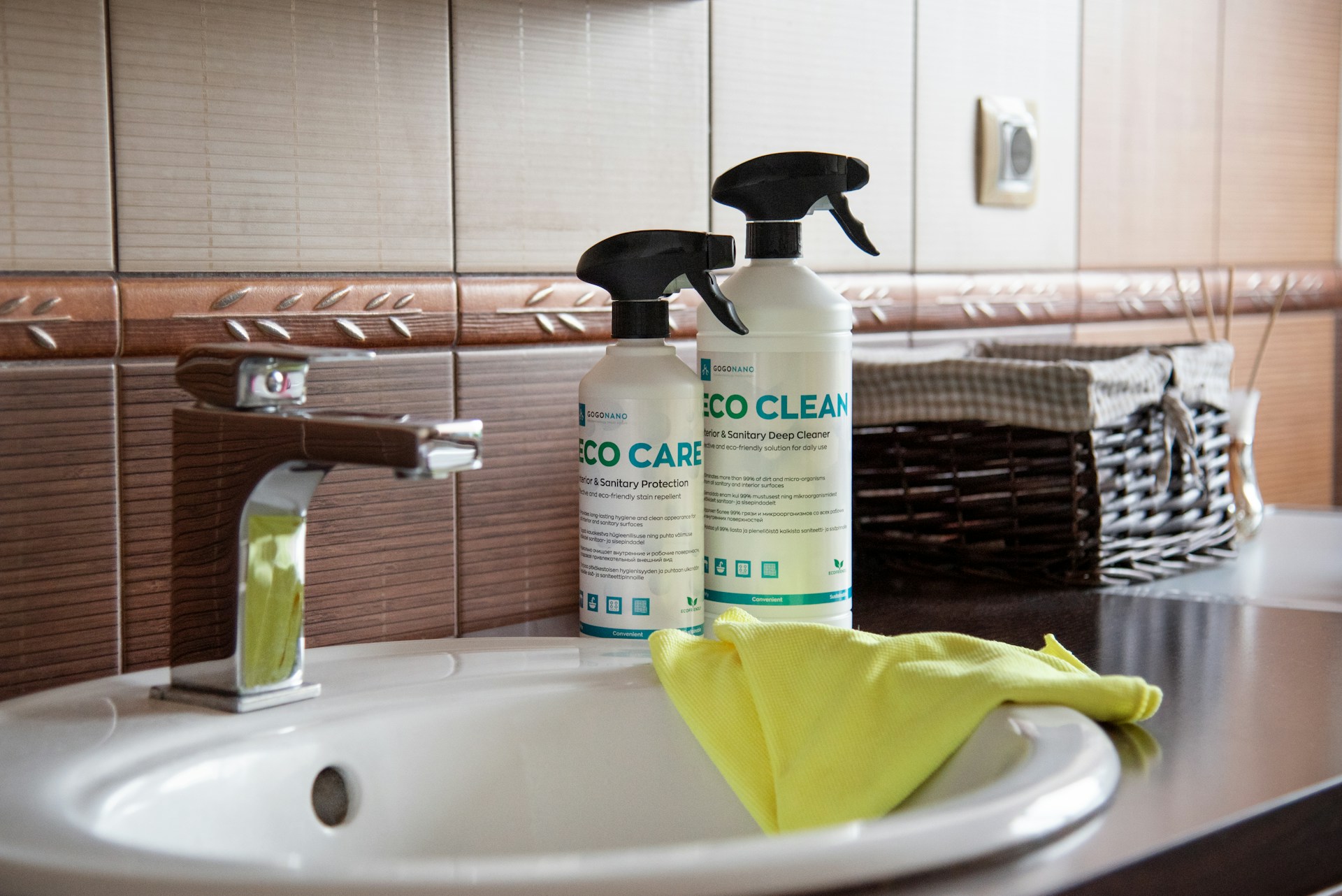
Why Eco-Friendly Cleaning Matters for Indoor Health
Modern buildings tend to be tightly sealed, which improves energy efficiency but also traps airborne particles inside. Dust, allergens, chemical residues, and microbial contaminants can accumulate quickly without proper cleaning. Eco-friendly cleaning methods help reduce these issues by eliminating harsh ingredients and focusing on safer, low-toxicity solutions.
Key benefits include:
- Reduced exposure to strong chemical fumes that linger in indoor air
- Fewer irritants for individuals with allergies, asthma, or chemical sensitivities
- Improved surface safety for families, pets, and office employees
Many traditional cleaning chemicals contain volatile organic compounds, which can contribute to headaches, respiratory irritation, and poor air quality. Eco-friendly alternatives rely on biodegradable or plant-based ingredients that clean effectively without creating harsh indoor environments.
Seasonal shifts, especially during colder months when windows remain closed, make indoor air quality even more important. Our guide related to fall season readiness highlights how seasonal changes increase the need for thoughtful cleaning protocols.
A healthier indoor environment ultimately supports better comfort, productivity, and well-being.
Safe Cleaning Methods for Homes and Offices
Eco-friendly cleaning involves more than choosing the right product. It also requires understanding how to clean surfaces thoroughly without residue buildup or cross-contamination. Homes and offices have overlapping cleaning needs but differ in foot traffic patterns, surface types, and sanitation requirements.
Effective eco-friendly cleaning relies on:
- Selecting plant-derived cleaners free from harsh synthetic ingredients
- Using microfiber cloths that trap dust and allergens without chemicals
- Implementing techniques that target high-touch surfaces consistently
Microfiber tools lift particles more effectively than standard cloths and reduce the need for strong chemicals. They also minimize streaking on glass, countertops, and screens.
In offices, keyboards, shared equipment, desks, and door handles require consistent sanitization to manage microbial spread. In homes, kitchens, and bathrooms are the primary areas where eco-friendly cleaning makes a noticeable difference because it reduces chemical contact on food preparation surfaces and personal items.
Moisture control also matters. Mold and mildew thrive in damp environments, and eco-friendly cleaning focuses on ventilation and proper drying to prevent these issues naturally. This reduces reliance on strong chemical mildew removers.
When performed correctly, eco-friendly cleaning supports long-lasting cleanliness through both mechanical and chemical processes, providing a balanced and safe outcome.
Choosing Eco-Friendly Cleaning Products Responsibly
Not all products labeled “green” or “natural” deliver the same results. Responsible selection includes evaluating ingredient lists to ensure products are truly low toxicity and free from unnecessary additives. Professional-grade eco-friendly cleaning solutions offer reliable performance without compromising safety.
Important considerations include:
- Avoiding cleaners with artificial fragrances, dyes, or high VOC levels
- Selecting biodegradable formulas that break down safely after use
- Choosing concentrated products that reduce packaging waste
Some retail products market themselves as safe but still contain irritants disguised under generic labels such as “fragrance.” These additives can affect indoor air quality and trigger sensitivities. Truly eco-friendly cleaning prioritizes transparency and performance without masking odors.
Many offices benefit from standardized cleaning protocols that use consistent products across all departments. Structured routines ensure that surfaces remain safe and sanitized without excessive chemical exposure. This coordinated approach also reduces the risk of mixing incompatible products, which can occur during improvised cleaning attempts.
Clean workplaces contribute meaningfully to health and morale. Our insights on employee well-being reinforce the value of choosing safer, more intentional cleaning practices.
Why Eco-Friendly Cleaning Still Requires Expertise
Although eco-friendly cleaning is safer and gentler than conventional methods, it still requires expertise to deliver effective results. Homes and offices contain a wide variety of surface types, contaminants, and problem areas that need tailored approaches. Using the wrong technique can reduce effectiveness or leave behind buildup that attracts dirt.
Expert involvement ensures:
- Appropriate product selection for each surface type
- Thorough cleaning of high-traffic and hard-to-reach areas
- Balanced routines that support both cleanliness and indoor health
Professional cleaners understand how to manage disinfecting needs without over-reliance on harsh chemicals. They also recognize patterns such as where dirt accumulates, how air movement affects dust distribution, and which surfaces require more frequent attention.
In workplaces, expert-led eco-friendly cleaning supports compliance with health and safety standards. In homes, it helps reduce allergens and maintains a comfortable environment without exposing pets or children to strong chemicals.
Eco-friendly cleaning is most effective when performed systematically rather than sporadically. Expert teams combine technique, product knowledge, and structured planning to keep environments consistently clean.
How Eco-Friendly Cleaning Supports Long-Term Sustainability
In addition to health benefits, eco-friendly cleaning contributes to sustainability by reducing environmental impact. Choosing safer formulas minimizes the release of harmful chemicals into waterways and reduces long-term pollution. Concentrated solutions also reduce packaging waste and transportation emissions.
Key sustainability advantages include:
- Lower chemical runoff from cleaning waste
- Minimal use of synthetic compounds harmful to wildlife
- Reduced reliance on disposable materials through reusable tools
When paired with energy-efficient cleaning equipment, eco-friendly methods support a more sustainable maintenance routine without sacrificing cleanliness.
Organizations and households increasingly prioritize sustainability goals. Eco-friendly cleaning aligns with these objectives while maintaining high standards of sanitation.
When Cleanliness and Safety Matter Most
If you want eco-friendly cleaning that protects both people and the environment, expert support ensures consistent and safe results. Contact Protek Cleaning for professional, eco-friendly solutions tailored to homes and offices.