 100s of Reviews

First impressions form quickly in commercial spaces. Customers, clients, and partners often make judgments within moments of entering a facility. Cleanliness plays a quiet but powerful role in shaping those judgments. Floors, restrooms, entryways, and shared spaces all communicate messages about professionalism, care, and attention to detail. In competitive industries, those signals influence trust long before conversations begin.
From an expert perspective, commercial cleaning is not simply about appearance. It directly affects how a business is perceived, how comfortable visitors feel, and how confident customers are in the operation as a whole. Clean environments reinforce credibility, while neglected spaces can undermine even the strongest brand messaging. Understanding this connection helps explain why cleaning standards have become a strategic priority rather than a background task.
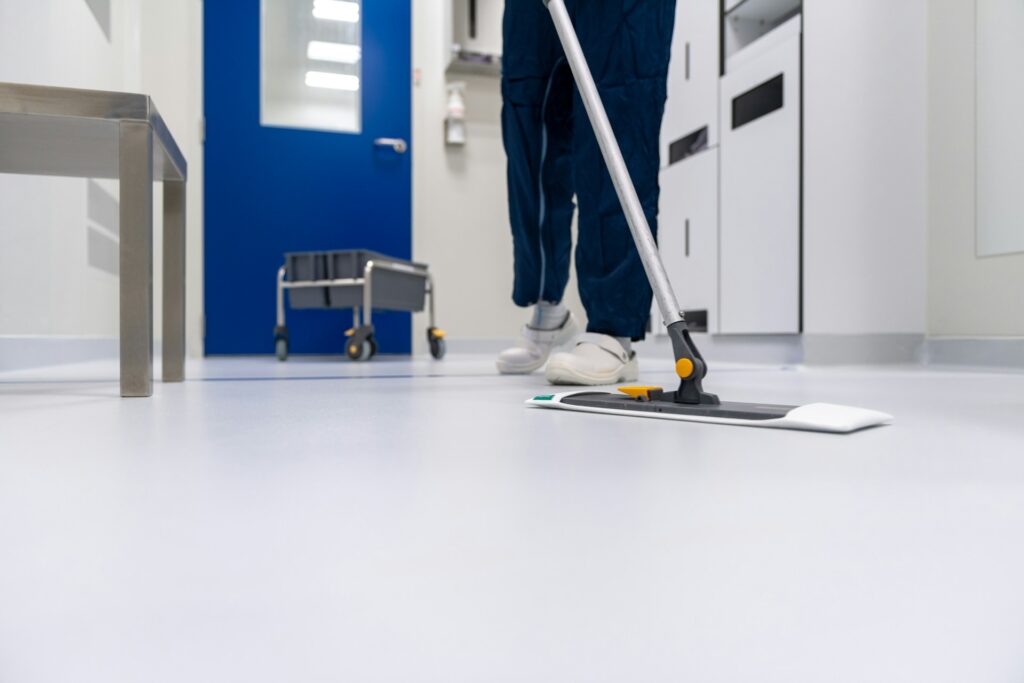
How Cleanliness Shapes First Impressions
When customers enter a commercial space, visual cues immediately shape expectations. Clean surfaces, fresh air, and organized layouts suggest professionalism and reliability. Conversely, visible dirt, clutter, or odors can raise doubts about operational standards, even if services or products are high quality.
Key elements that influence first impressions include:
- Condition of floors, carpets, and entry mats
- Cleanliness of restrooms and shared facilities
- Appearance of windows, doors, and high-touch surfaces
- Overall organization and absence of visible debris
These details matter because customers associate cleanliness with competence. A well-maintained space signals that the business values quality and consistency. In contrast, overlooked cleaning issues can create hesitation, shorten visits, or discourage repeat business. Commercial environments are extensions of brand identity, and cleanliness is one of the most visible indicators of how that identity is managed.
Customer Confidence and Perceived Safety
Beyond appearance, cleanliness influences how safe and comfortable customers feel. In public-facing spaces, people are more aware than ever of hygiene and environmental conditions. Clean facilities reduce anxiety and reinforce the perception that a business prioritizes health and well-being.
Factors that contribute to customer confidence include:
- Regular sanitation of high-touch areas
- Clean restrooms stocked and maintained throughout the day.
- Dust and allergen control in shared spaces
- Odor management in enclosed environments
When customers feel comfortable, they stay longer, engage more openly, and are more likely to return. Clean environments support that comfort without drawing attention to the work behind it. The connection between cleanliness and confidence is especially strong in offices, retail spaces, medical facilities, and hospitality settings, where shared spaces are unavoidable.
The Impact of Cleaning on Employee Performance
While customer perception is critical, the effects of cleanliness extend inward as well. Employees work more effectively in clean, organized environments. Clean spaces reduce distractions, support focus, and contribute to overall morale. When employees feel that their workspace is cared for, it reinforces pride and accountability.
Professional insight shows that consistent cleaning supports:
- Reduced sick days tied to cleaner shared surfaces
- Improved focus in clutter-free environments
- Higher morale linked to organized workspaces
- Stronger alignment with company standards
The relationship between cleanliness and employee well-being is explored further in our article on workspace health benefits. When employees feel supported by their environment, that positivity often transfers to customer interactions, strengthening the overall business image.
Why Professional Cleaning Standards Matter
Maintaining consistent cleaning standards across commercial environments requires more than occasional attention. High-traffic areas, carpets, and shared spaces accumulate wear and contaminants faster than many realize. Without structured cleaning protocols, small issues can escalate into visible deterioration.
Professional commercial cleaning focuses on:
- Scheduled maintenance aligned with traffic patterns
- Specialized care for flooring, carpets, and surfaces
- Targeted sanitation of high-risk areas
- Monitoring conditions to prevent long-term damage
Carpets are a clear example. They trap dirt, moisture, and allergens that are not always visible. Regular care extends carpet life and preserves appearance, while neglect leads to odors and staining. Guidance on interim upkeep is outlined in our article on carpet care tips, which explains why structured maintenance supports both appearance and longevity.
Long-Term Brand Value and Trust
Over time, consistent cleanliness contributes to brand trust. Customers may not consciously notice every clean surface, but they remember how a space made them feel. Businesses that maintain high standards project stability, reliability, and professionalism. Those impressions accumulate with each visit.
Long-term benefits of strong cleaning practices include:
- Improved customer retention and repeat visits
- Stronger brand reputation through consistent presentation
- Reduced facility wear and replacement costs
- Greater confidence from partners and stakeholders
Commercial spaces represent more than functional areas. They are environments where relationships are built, and decisions are made. Cleanliness supports those moments quietly but effectively. Businesses that invest in professional cleaning demonstrate commitment not only to appearance, but to the experience of everyone who enters their doors.
Elevating Confidence Through Clean Spaces
A clean commercial environment reinforces trust, professionalism, and comfort at every level. When cleanliness becomes part of a broader operational strategy, it strengthens both image and confidence over time. For expert guidance on maintaining high commercial cleaning standards, contact Protek Cleaning to learn how professional services support lasting impressions and business success.